Thursday 26th September and Friday the 27th September
Thursday 26th September
On Thursday morning we woke up to the wonderfully calming sounds of the jungle wildlife and the rain os it fell on the trees and our roof. We got ourselves packed and ready before heading to our final breakfast in the jungle. Once we finished our breakfast and paying our bar tab over the past few days we headed down to the motorised canoe at the river.
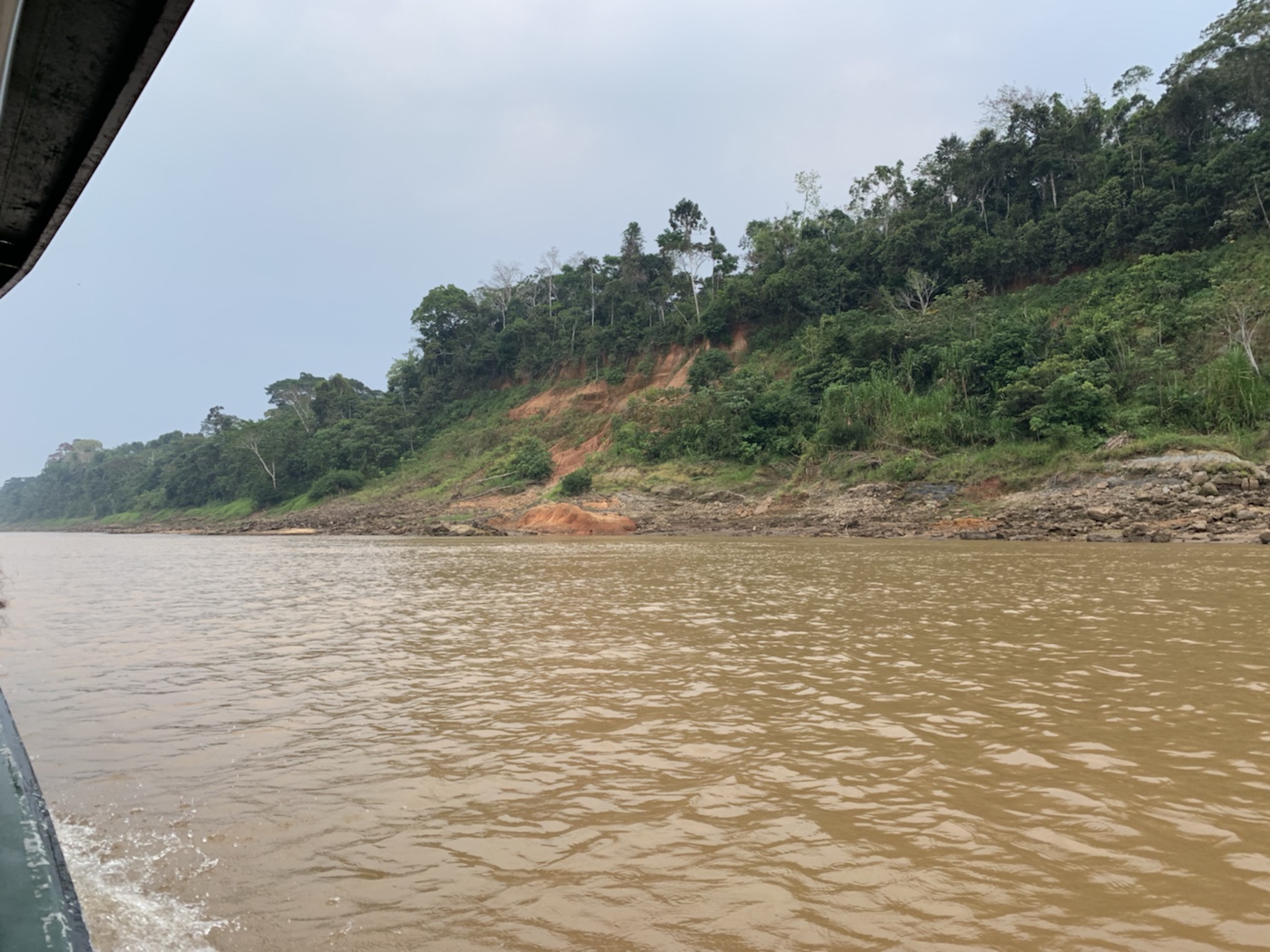
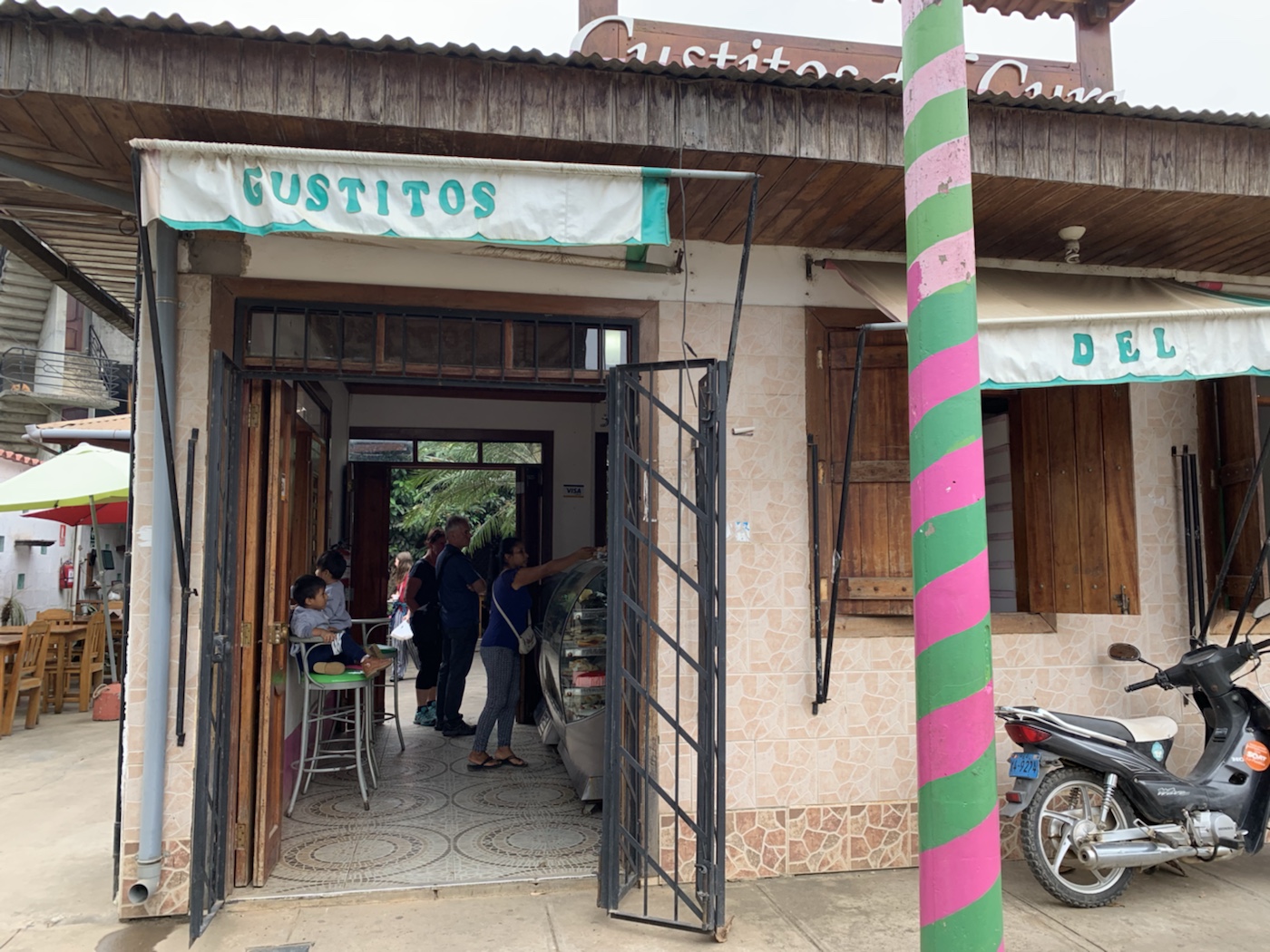
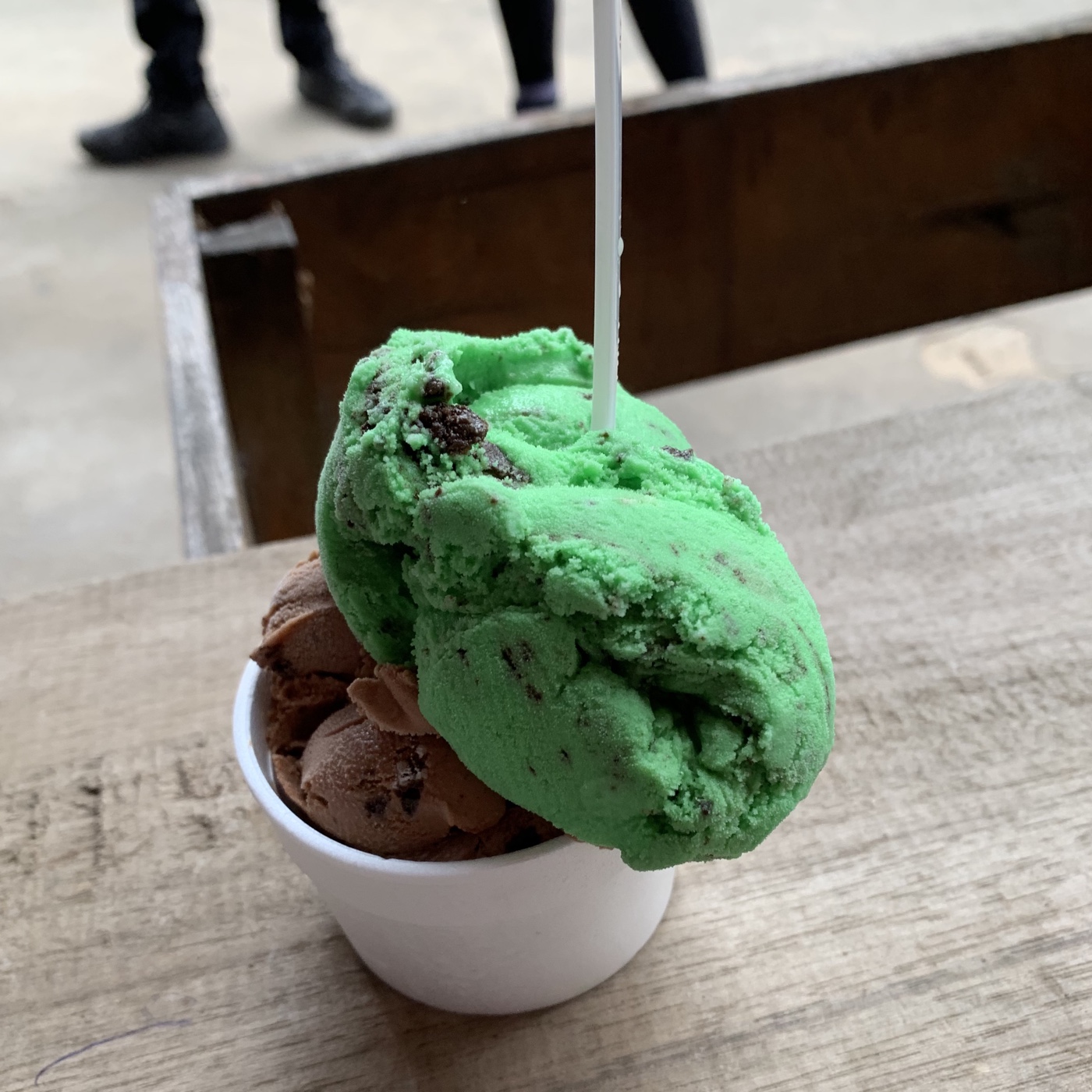
It took us about 2 hours to arrive back to the road where we then transferred to a bus which took us back into town. Once everyone has collected all of their belongings from the lodge office we stopped by a little local shop to pick up some lunch and some ice cream!
We headed to Puerto Maldonado airport and checked in for our flight to Cusco! We were flying with Latam airlines again, and this time it was an incredibly short flight – just 40 minutes!
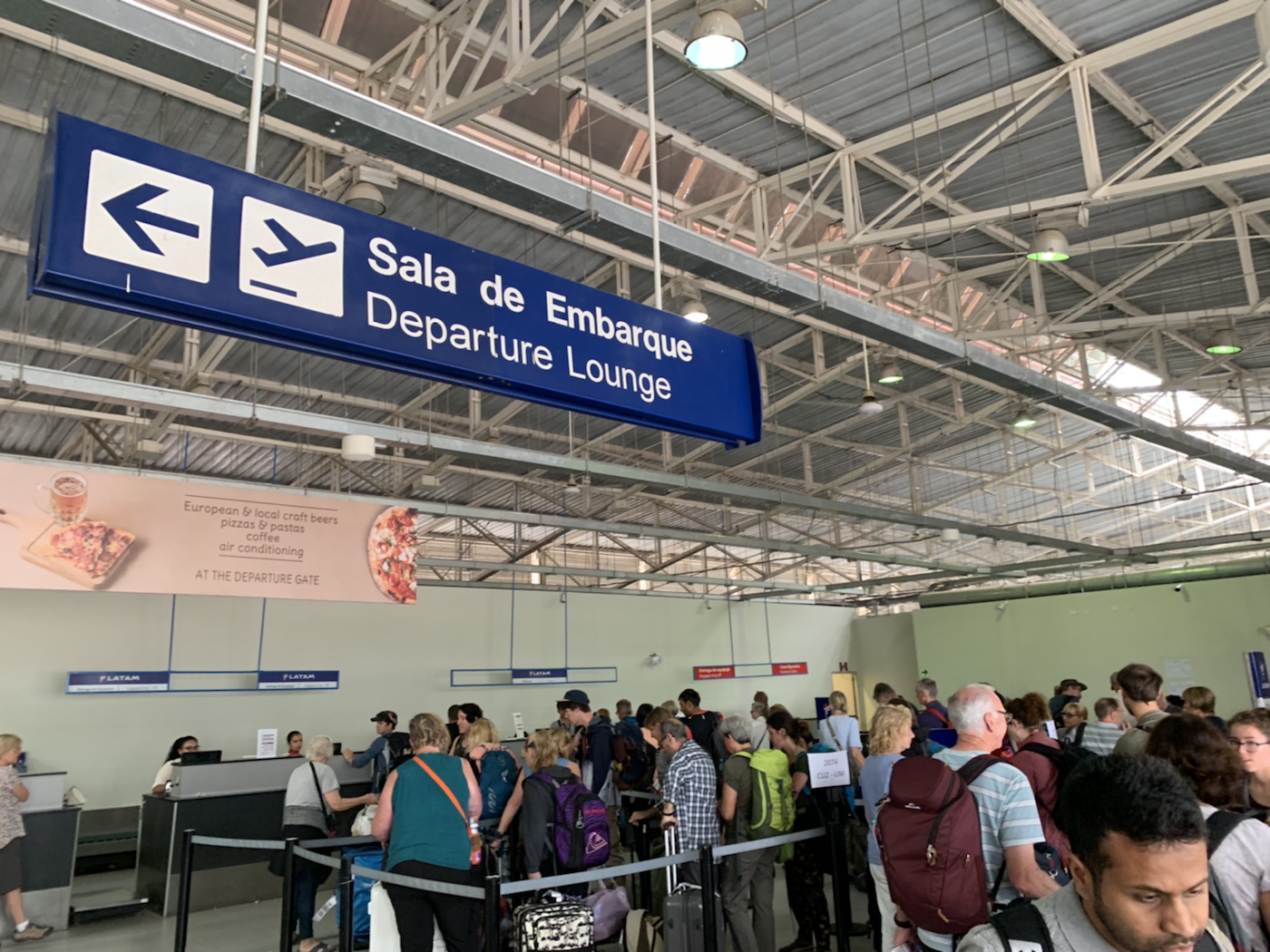
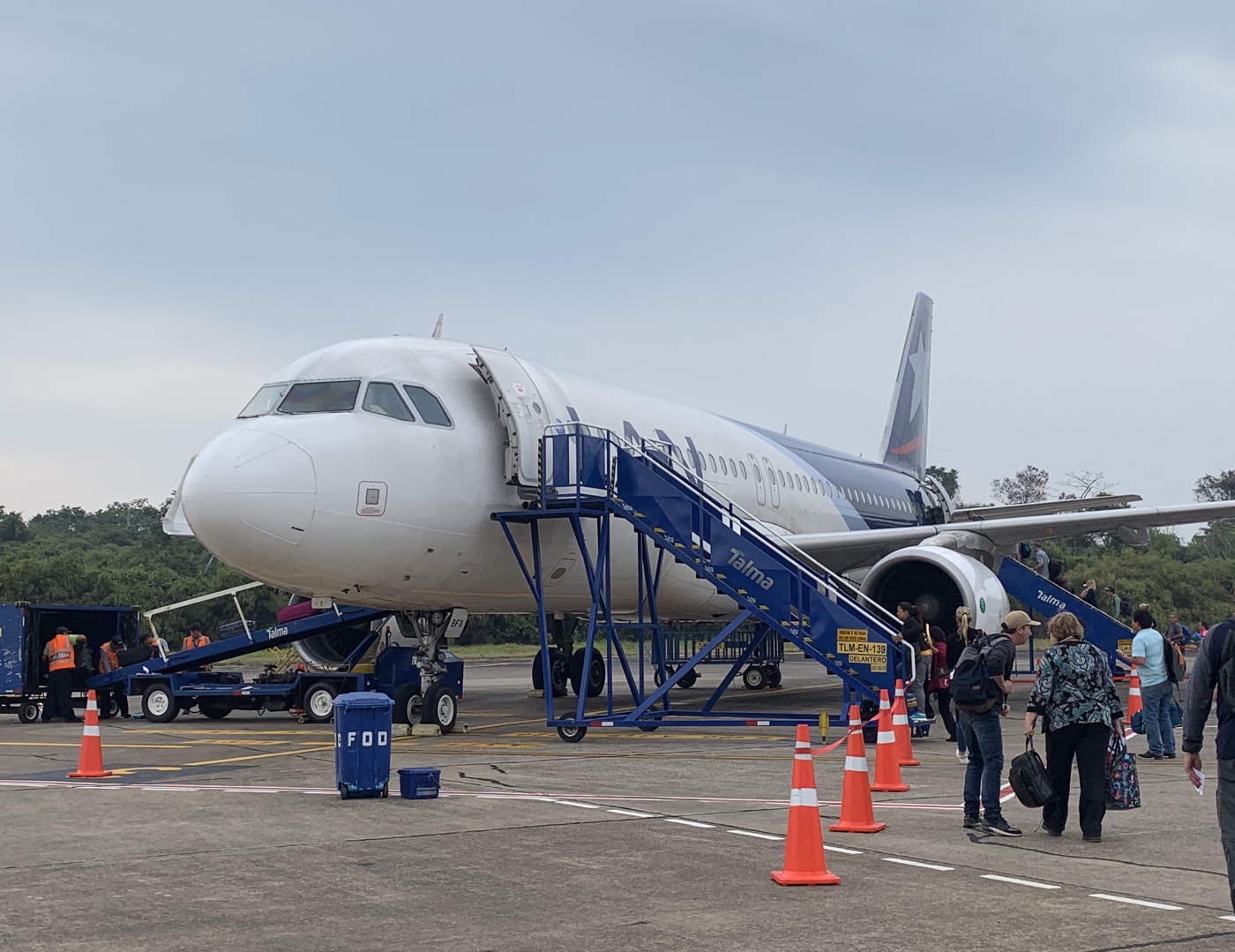
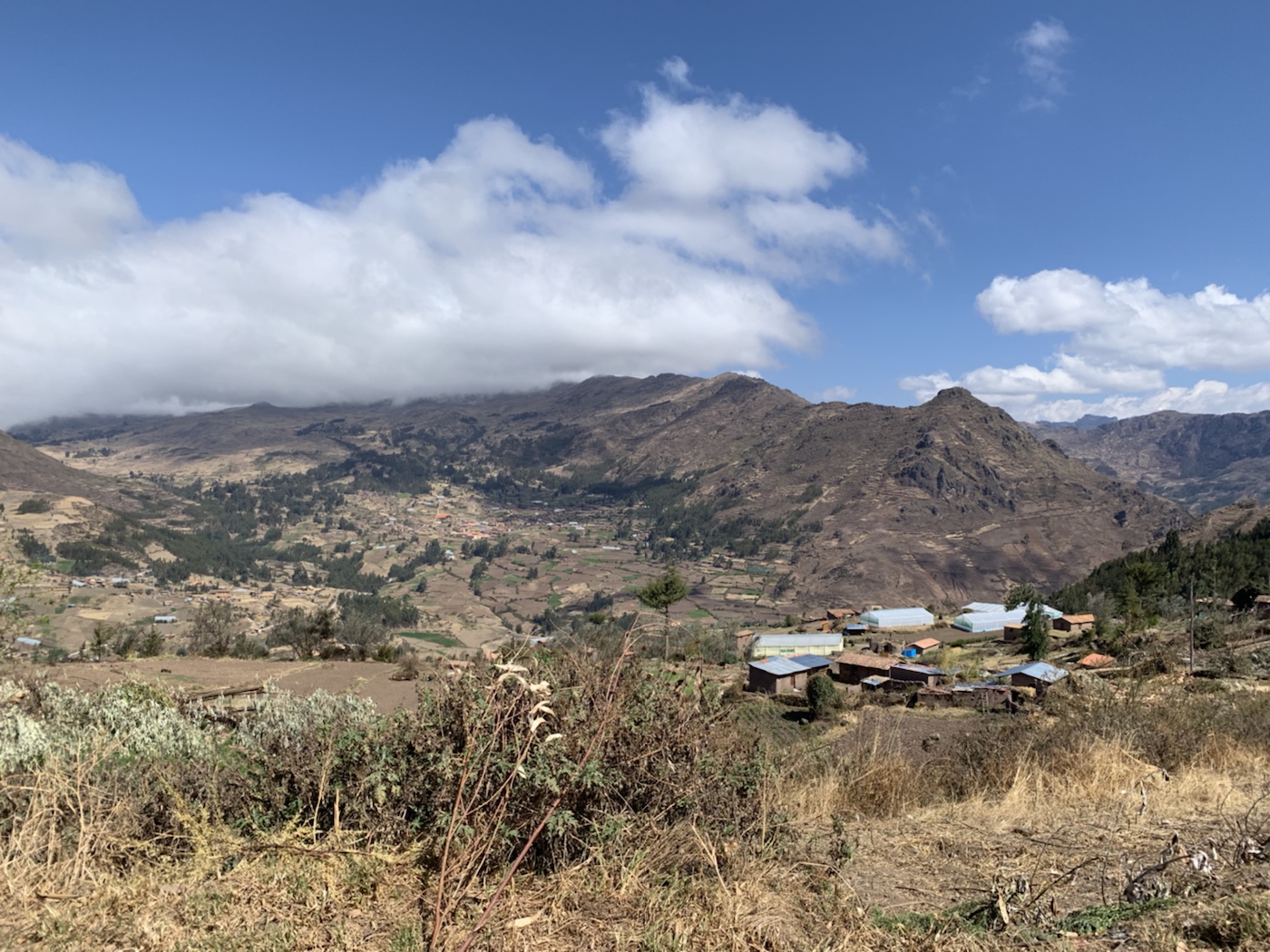
We were warned about the change in altitude and it really did feel completely different from the Amazon jungle region. We went from a very humid 35 degrees and 183 metres above sea level to a drier 17 degrees and 3400 metres above sea level. The thing I noticed straight away besides the incredibly welcomed cooler and drier air was the fact that I felt like I couldn’t quite take a full breath. The oxygen is much thinner up in Cusco so we were briefed on this and encouraged to drink lots of coca tea as this helps.

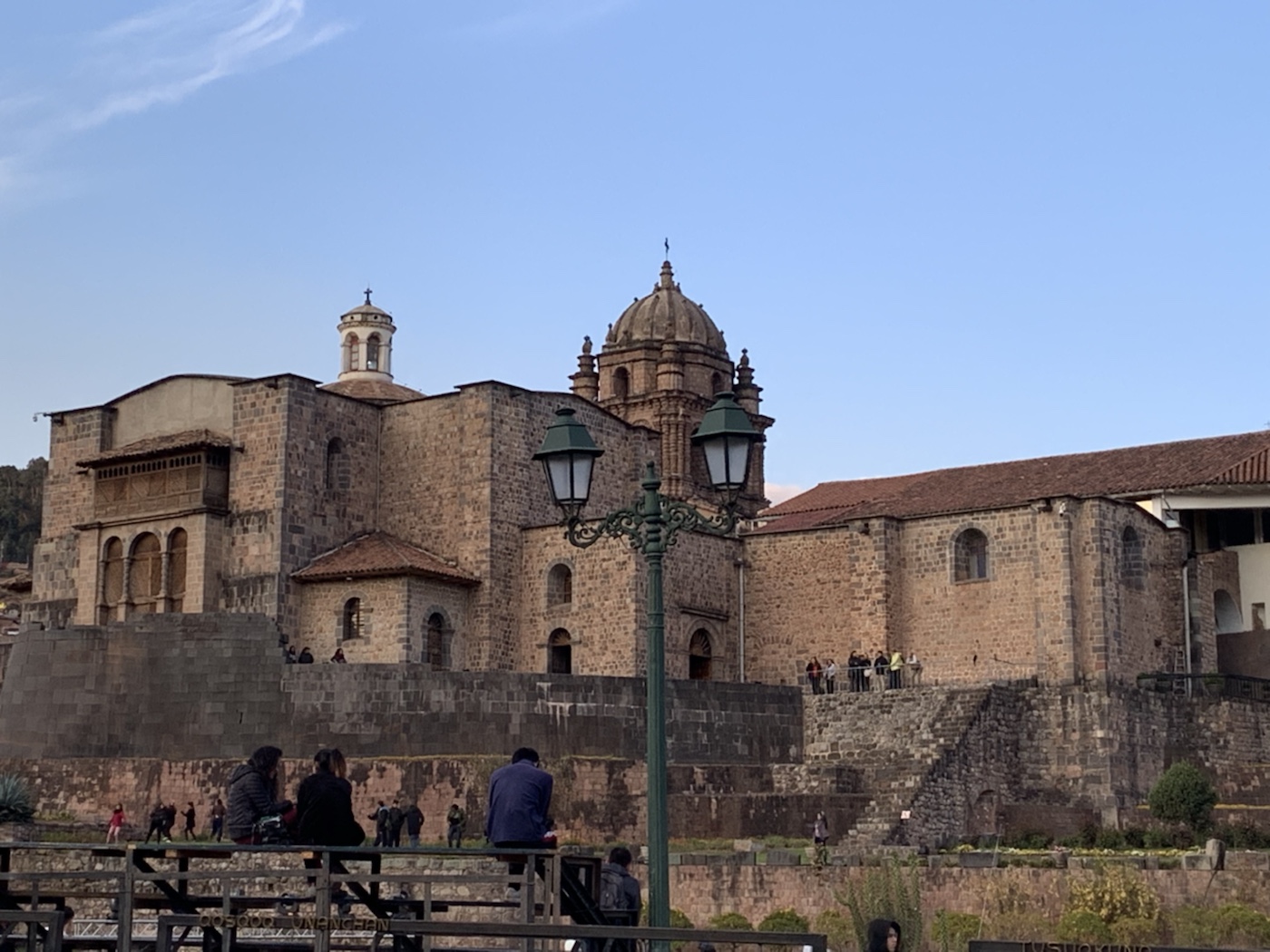
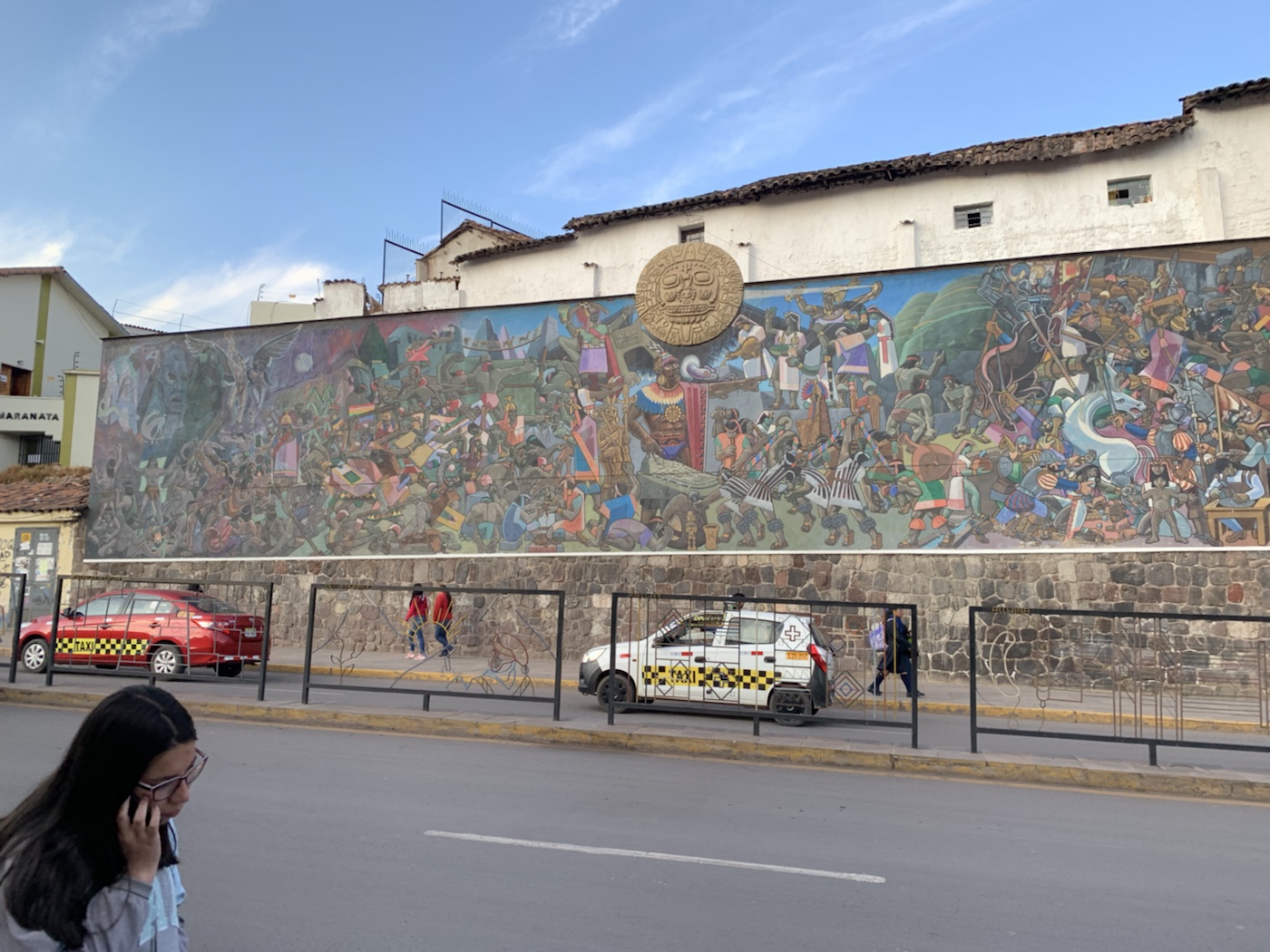
Cris took us on a walk around Cusco to show us around. I have to say, Cusco is my favourite city I’ve visited in Peru so far. It’s what I imagined a city in Peru would be like – with some of its historical architecture as well as bright and colourful textiles on display by locals. This all stood with an incredible backdrop of the mountains in the distance.
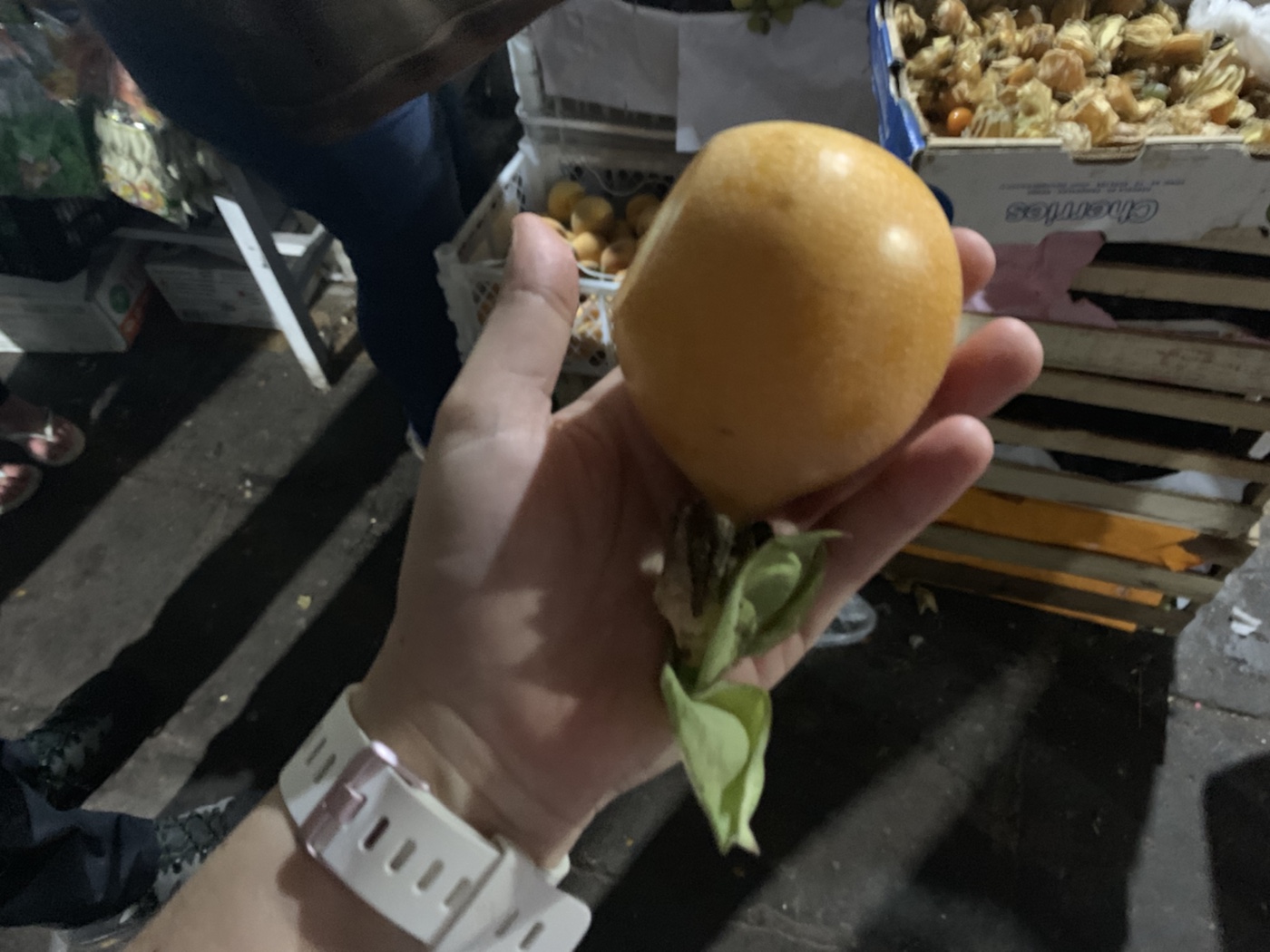
The most exciting part of visiting this vast indoor market was the fruit tasting! Cris took us a stall where she had organised with the store holder to let us try a range of fruits that grow in Peru. Some fruits I have tried before but not others. I thought the most interesting one was a fruit resembling a passion fruit except that it was bigger, orange and much sweeter. It is called ‘granadilla’. In Peru it’s known for the positive effects on the digestive system. The granadilla is a great source of fibre, calcium and several essential vitamins. So basically, a pretty great snack! Cris said that the small children in Peru love this fruit in school and it made me think of the children I have taught in the past and I thought that they would’ve loved it too.

After the market we headed back to our hotel for our Inca and Quarry Trail briefings. This was where we heard a little description about each day and what is necessary to pack in your day bag and duffel bag. We were given a duffel bag each and told that we would be allowed to pack only 4kg of our belongings plus a sleeping bag which would weigh about 2kg.
Friday 27th September
After breakfast we brought our newly packed duffel bags down and put the remainder of our luggage in storage. We would be reunited with this luggage after 5 days when we would return to Cusco. We took a private bus and began to make our way to the beautiful Sacred Valley.
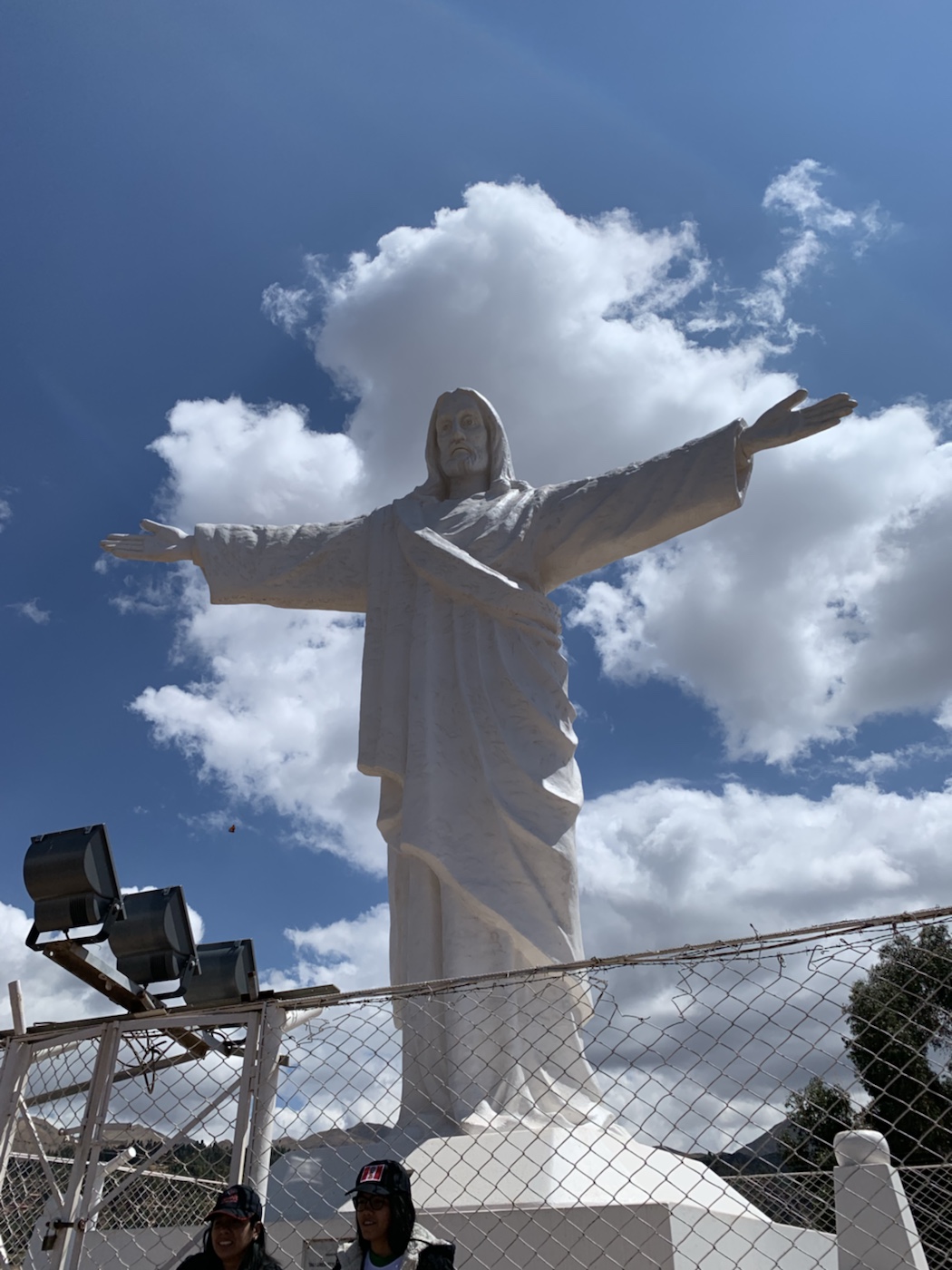
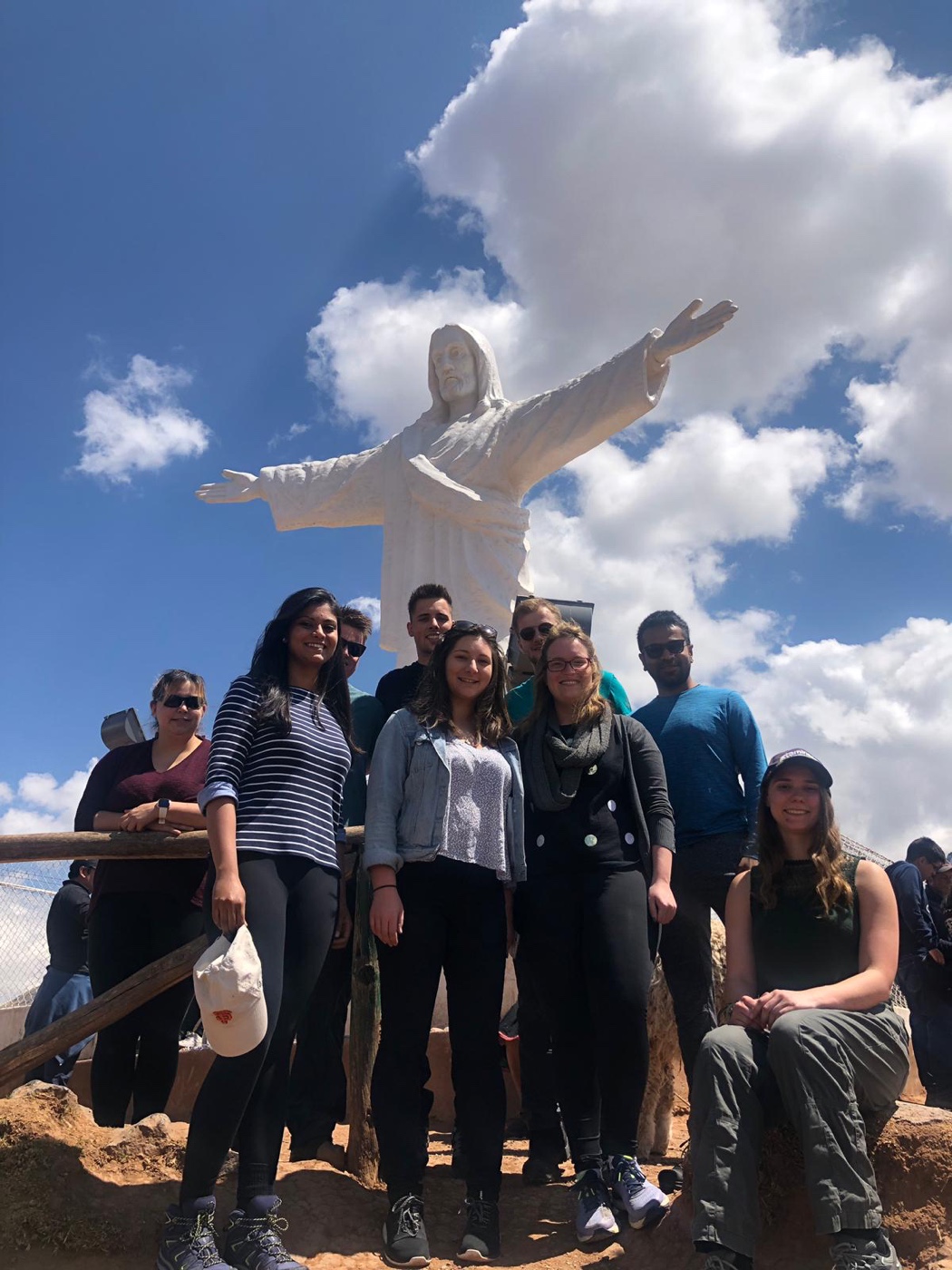
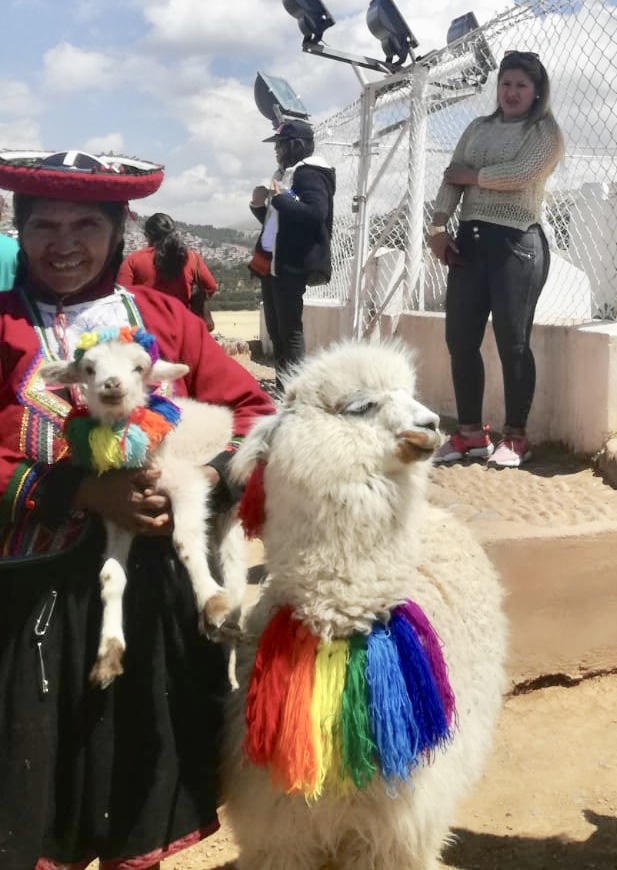
On our way out of Cusco we drove up and stopped at Pukamuqa mountain. Here on the mountain is a wonderful viewpoint of the city of Cusco. On top of the mountain there is a huge statue called ‘Cristo Blanco’ which is Spanish for ‘white Christ’.

We hopped back into the bus and drove for about 2 hours to the Sacred Valley. This is also known as Wilcamayo to the Incas. The Sacred Valley is an incredibly lush, fertile valley and we learnt that it has been the main agricultural land for growing food for the high Andes. The main crops grown here are corn, beans and potatoes.
The highlight of my day was when we visited a local community in the valley to learn about their local lifestyle. I have never had such a warm and genuine welcome by people I didn’t know. We drove up a windy and remote mountain area, and once we got out of the bus all we saw was a little girl poking her head around a stone doorway saying “Hola!”. As we walked up and through this doorway we were met by a whole line of women dressed in their traditional bright clothing. They were lining the path throwing flower petals on us and taking our hands in theirs and warmly welcoming up to their community in their language. The language spoken here is Quechuan, but they also know Spanish.
Once we had arrived, the ladies introduced themselves and our tour leader Cris translated this to us. We then used some basic Spanish we had learnt to introduce ourselves. This included our name, age and where we had come from. Once the introductions were done, the women dressed us in traditional clothing. It’s so different from what we were all used to, but the colours and designs are beautiful. I absolutely loved their bright and colourful clothing. I don’t think I could pull it off, but it was fun to wear it for a while.


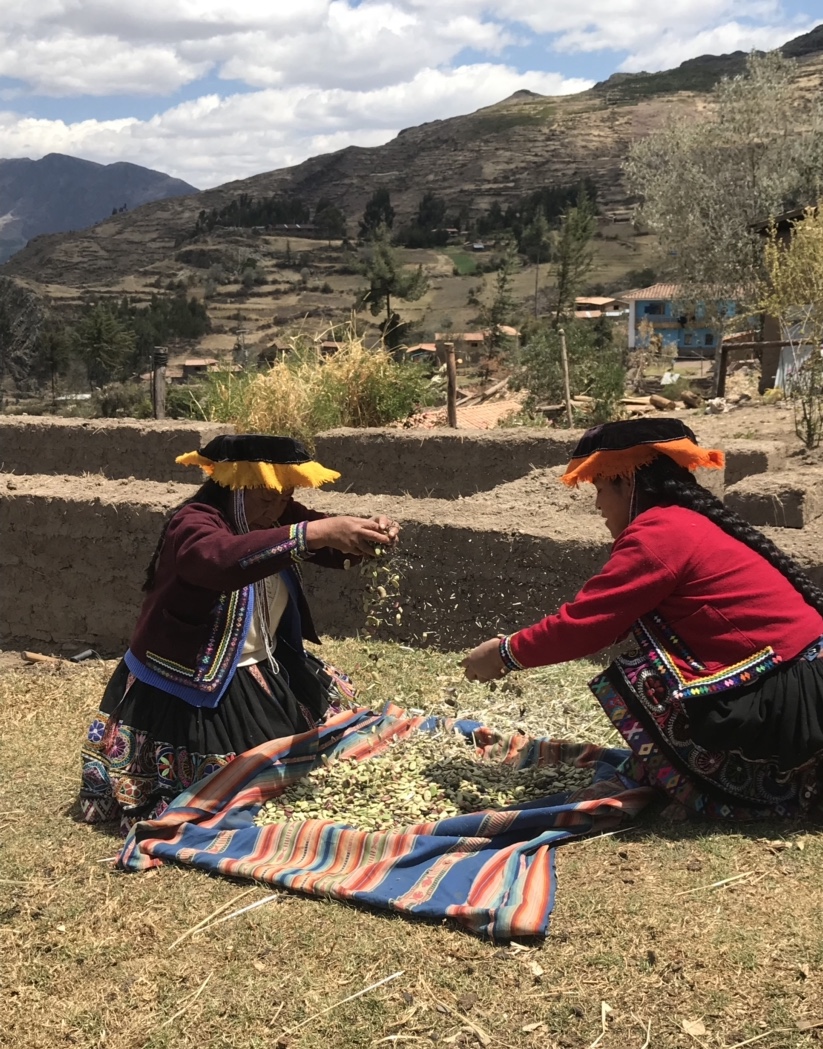
We then walked up a hill behind their marketplace and sat in a circle to help them sort Lima beans. Not a hard task but then again many hands make light work, and I can only imagine this would be such a time consuming task without 10 extra people helping!

We were then treated to a traditional lunch cooked by the women. I think I have said this in previous blog posts, but I continue to be impressed by the flavours and array of food I have tried in Peru. I am yet to taste something here I do not like.


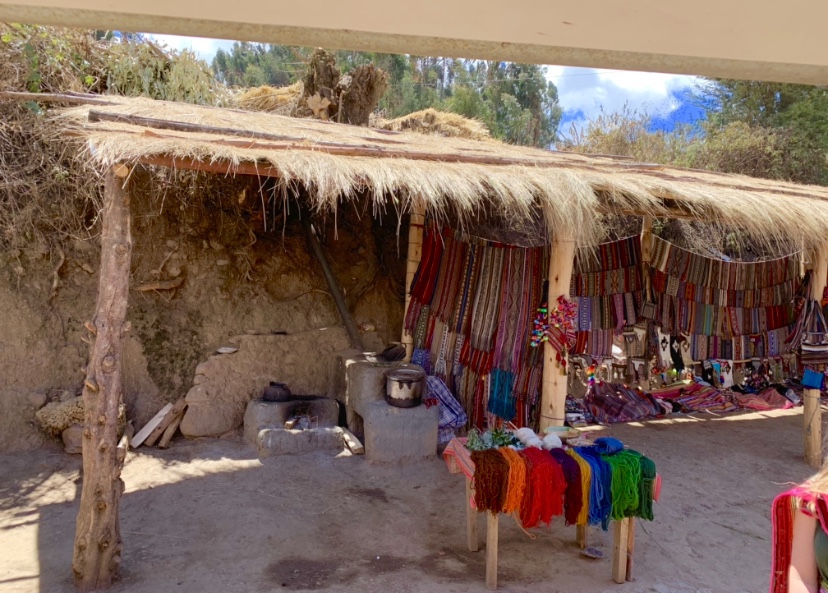
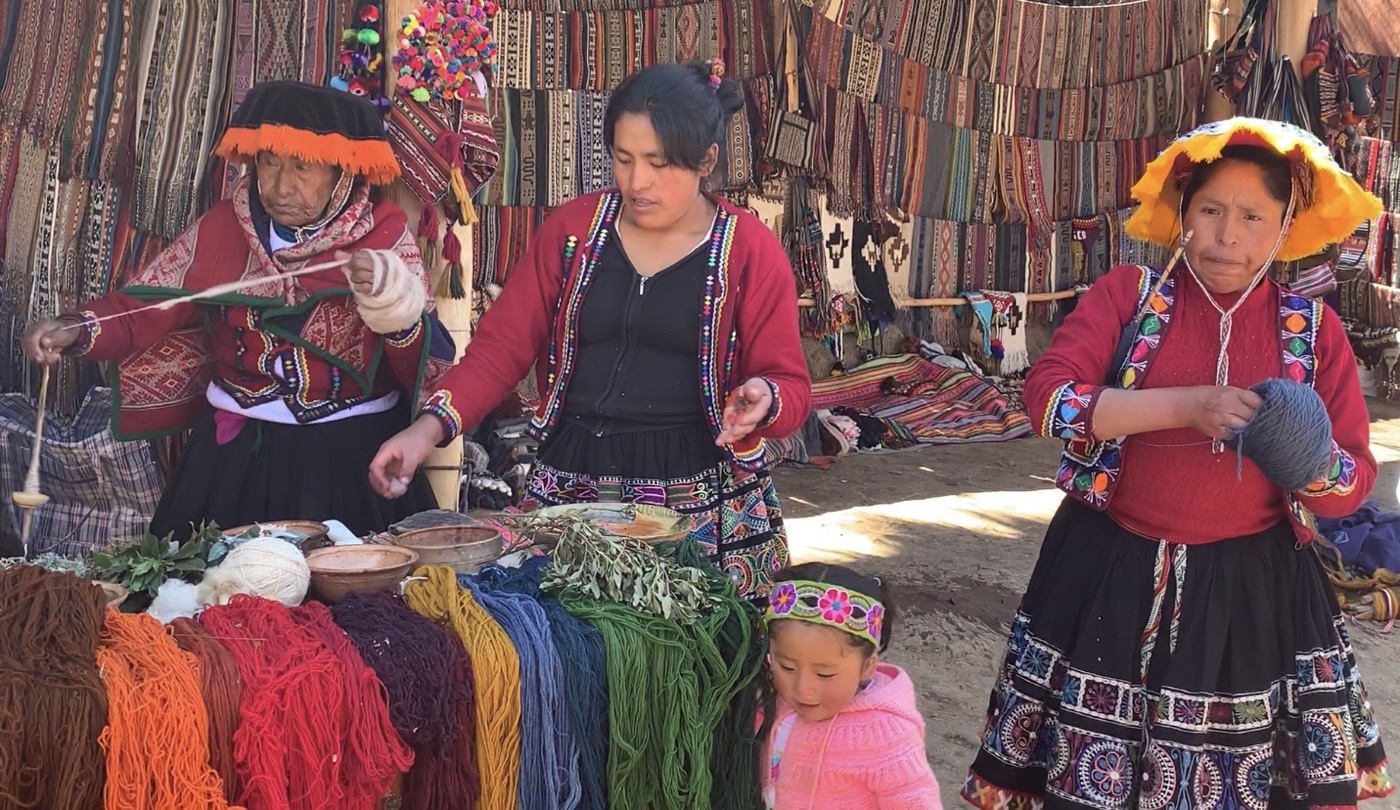
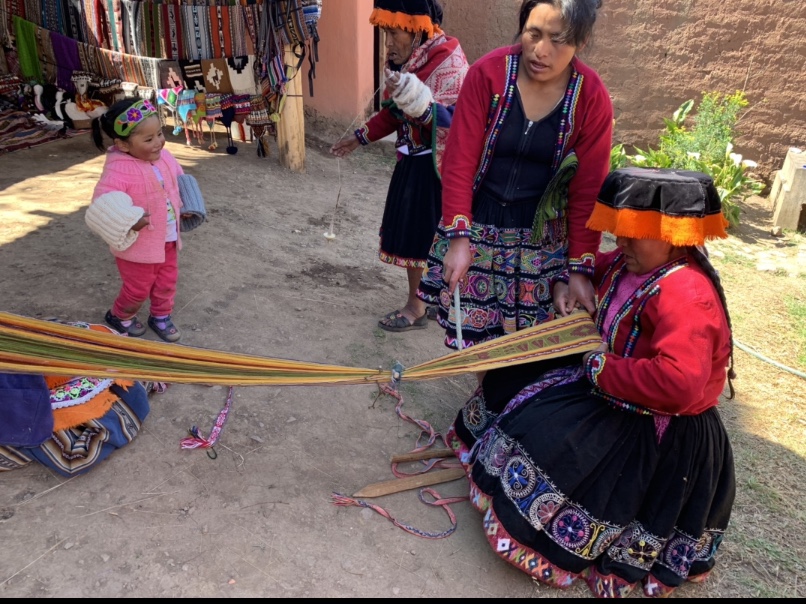
After lunch the ladies then showed us their textile work. They showed us how they handmade some of the items they sell. It takes them 4 hours a day each day for 2 weeks to make some items. The amount that they had on sale was also amazing considering the length of time each item takes.

After our goodbyes and thank yous, we hopped back onto our bus and continued driving.
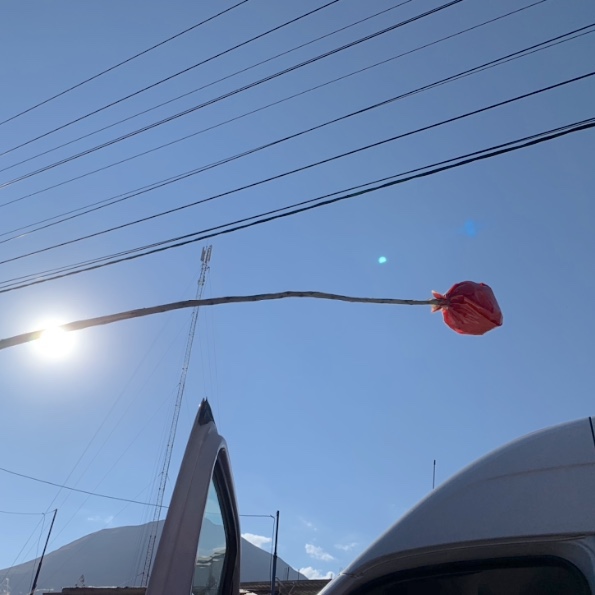
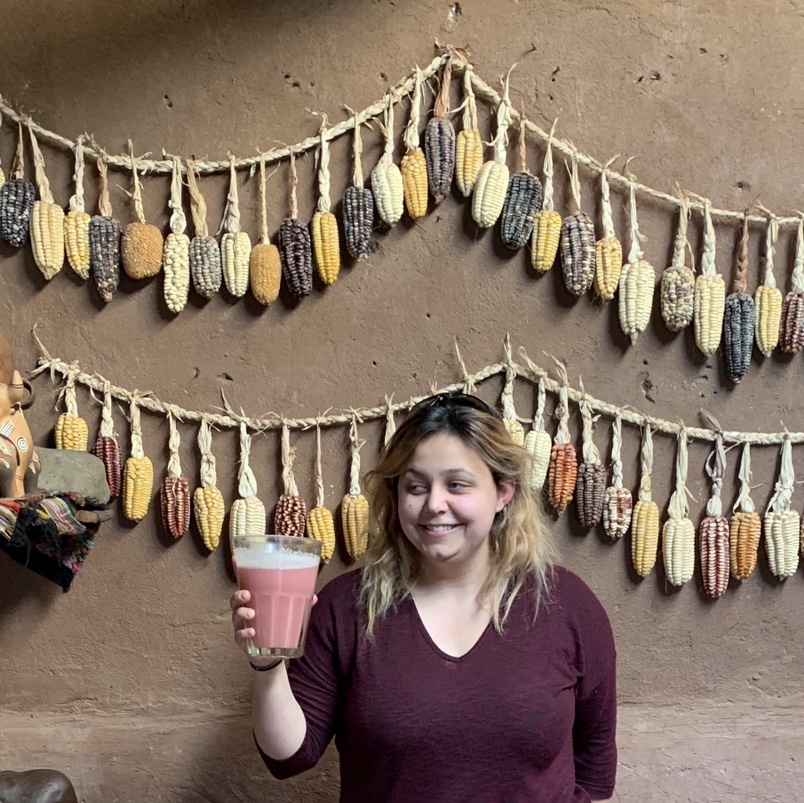
As we drove, Cris pointed out that if you you see a stick with a scraggly red plastic bag or red piece of flag or hanging from a building up in the Andes in Peru, it means you’ve just found the local brewhouse. From here you can get a very popular alcoholic drink in South America called ‘Chicha’. It’s basically fermented corn. If you want the sweetened version you can have Chicha with strawberries too. It gives the drink a magenta colour and isn’t as bitter.
We stopped at one of these little places and had a tasting of Chicha – one with strawberries and one without. Cris explained the process and we were shown the different stages of making Chica. After trying both of the drinks again, I have to say I prefer the Chicha with strawberries.
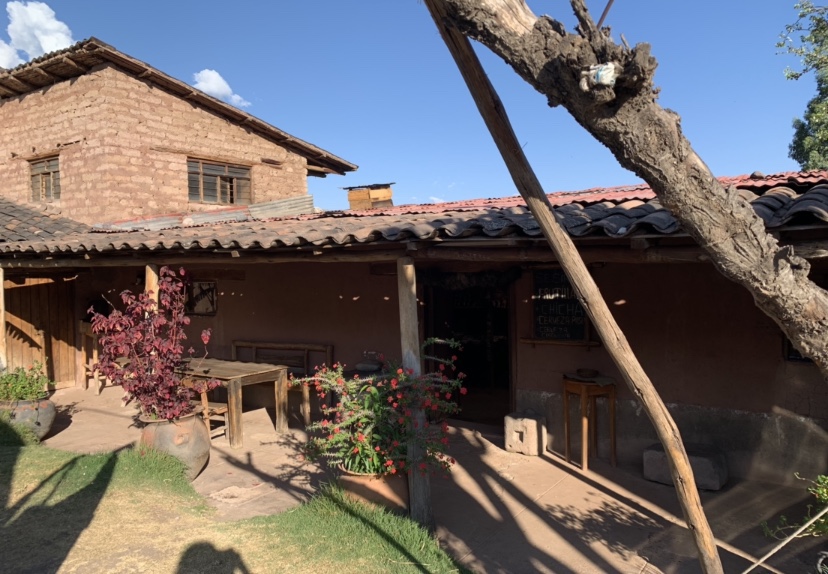

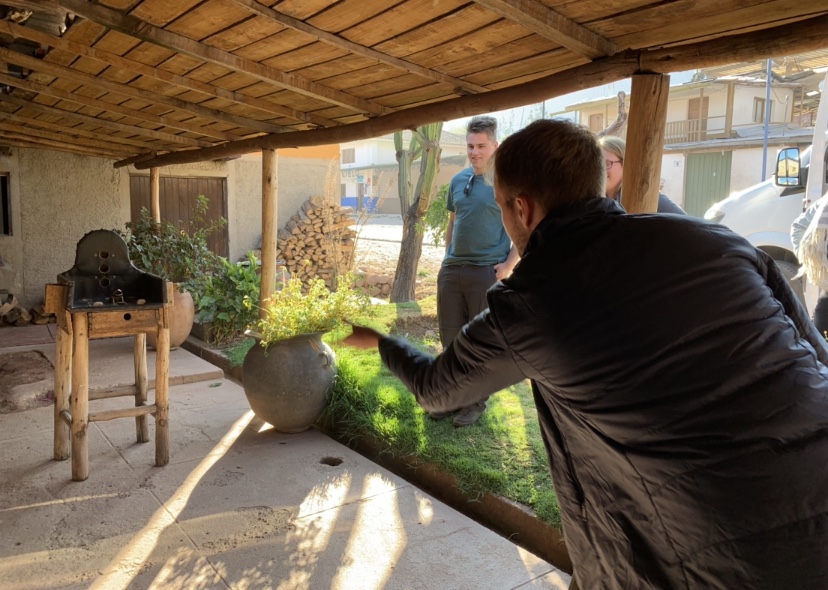
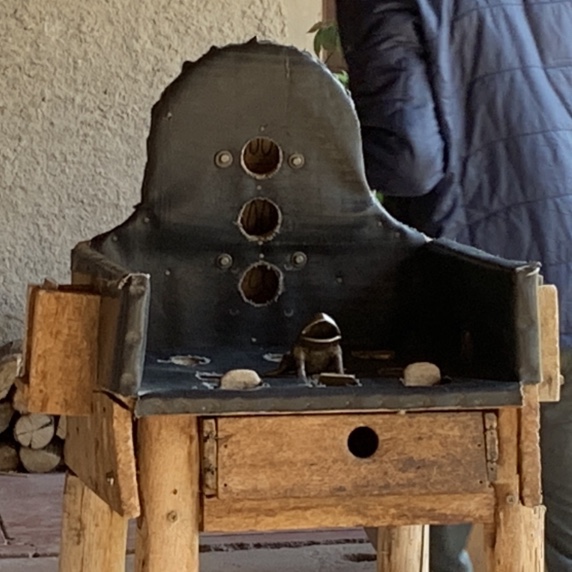
After our Chicha tasting we went onto the verandah and played a classic game played in Peru for decades. This is called Green Juego de Sapo Board Game, also known as Toad in the Hole. Sapo is a Spanish word for Frog or Toad. Basically It is a coin toss game but it is pretty challenging! I got 800 points so I got through to the next round. However I didn’t win this time – I must keep practising!
We continued driving for about 20 minutes to Ollantaytambo. This little town was gorgeous and I really enjoyed looking around.

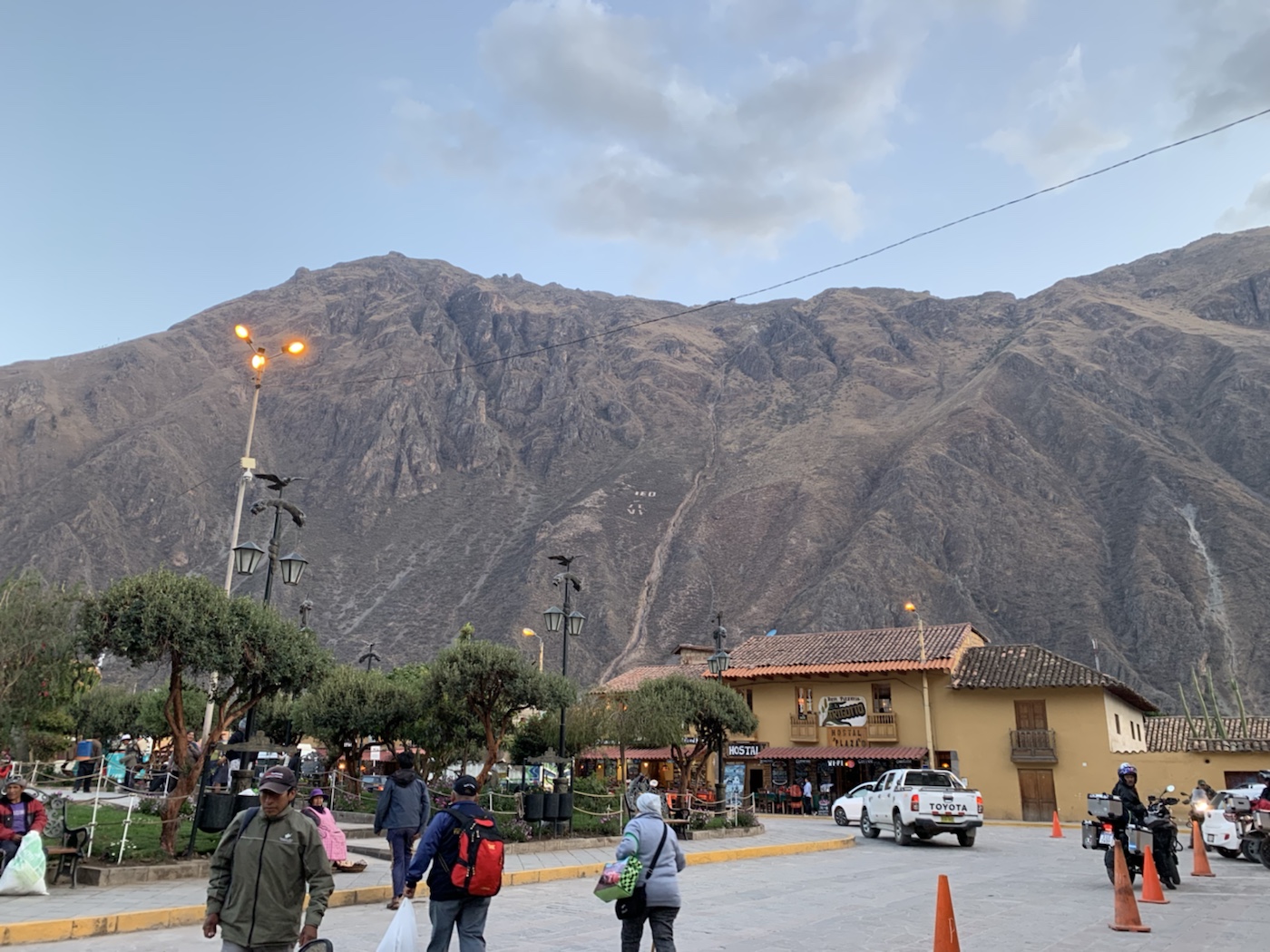
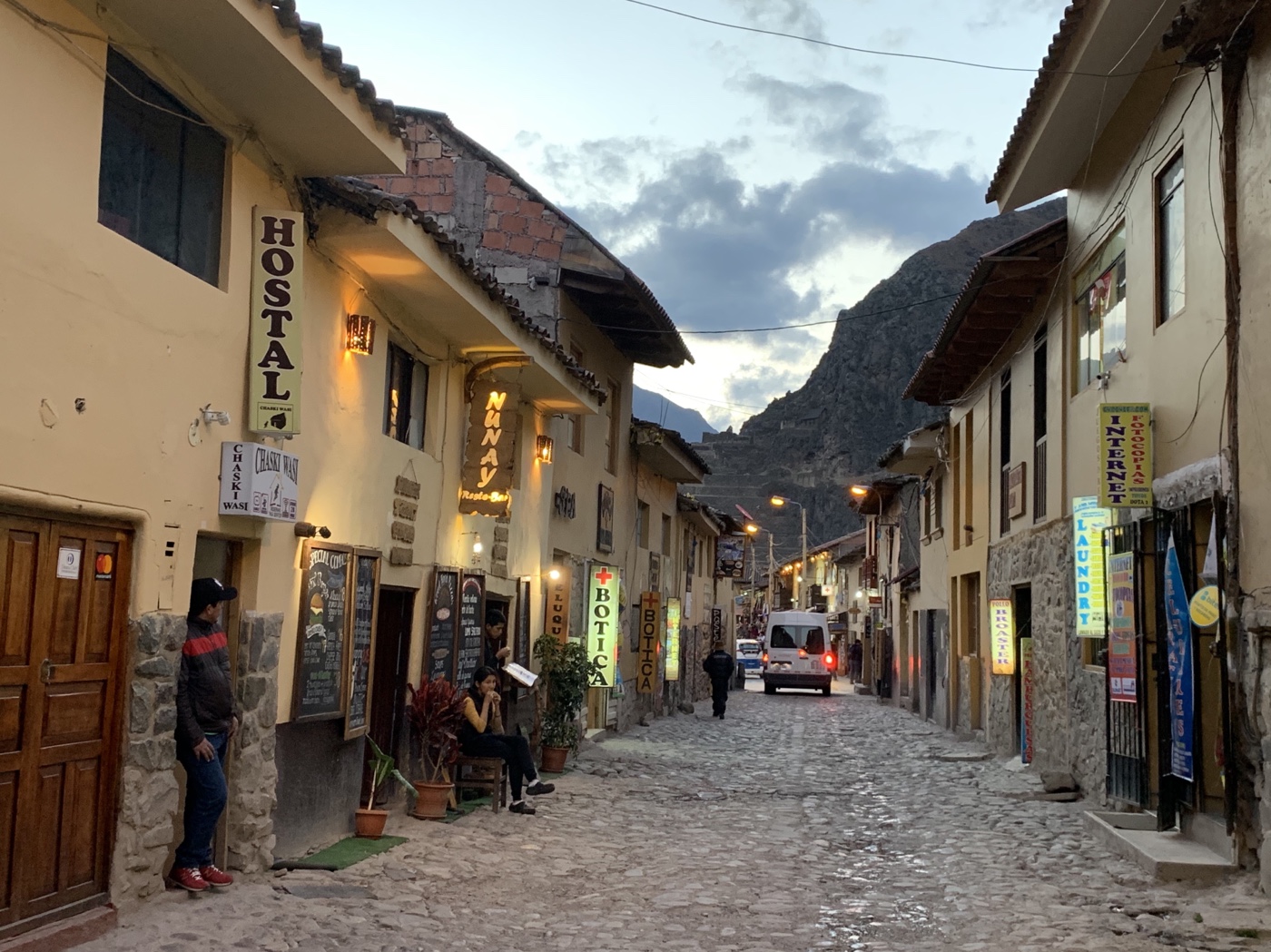
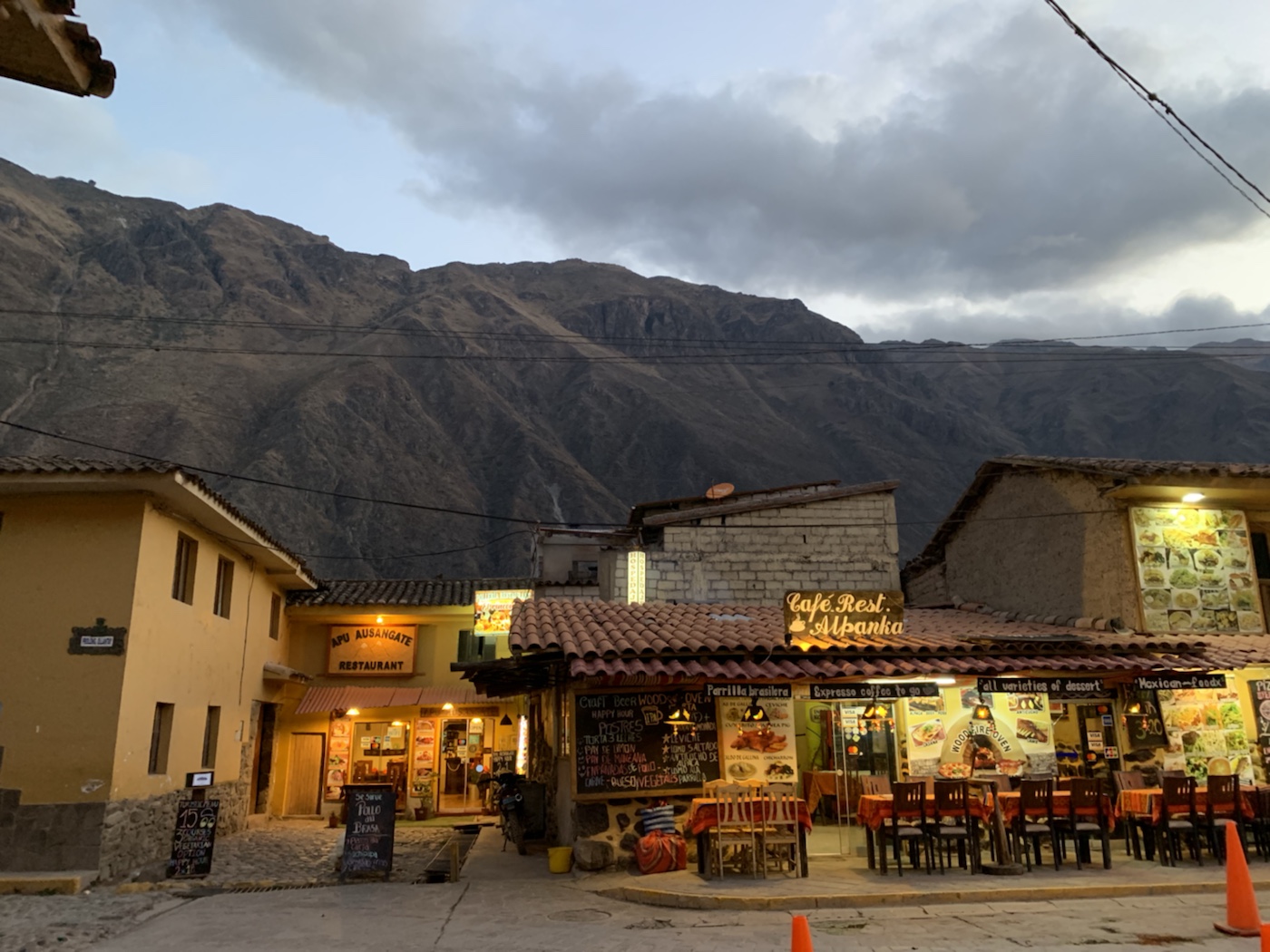
Ollantaytambo is the oldest, continuously populated town in Peru. We had a walk around and checked out the four parallel streets, has a walk through the market in the square and had some dinner at a local restaurant. We made sure to get back to our hotel at a decent time as we would be getting up quite early the next morning to set off on our hikes!


You have amazing writing skills. Thanks for the virtual trip. I am a travel-blogger from India. Please give a read to my blog as well.
LikeLike